
LOJEL
Marketing strategy and e-commerce direction for LOJEL, the carry essentials brand founded in Japan in 1989, delivered through Assembly.
Date
2018-02-24
Company
LOJEL
Role
Co-founder and CEO, Studio Palms
Author
Michael Preuss
Updated
2026-10-27
Read time
3 min
Read with...
- 01Delivered a marketing playbook that distilled the opportunity and execution inputs
- 02Established reusable narrative constraints for campaigns and site work
- 03Connected strategy to a clearer e-commerce direction at conversion moments
Ownership and scope
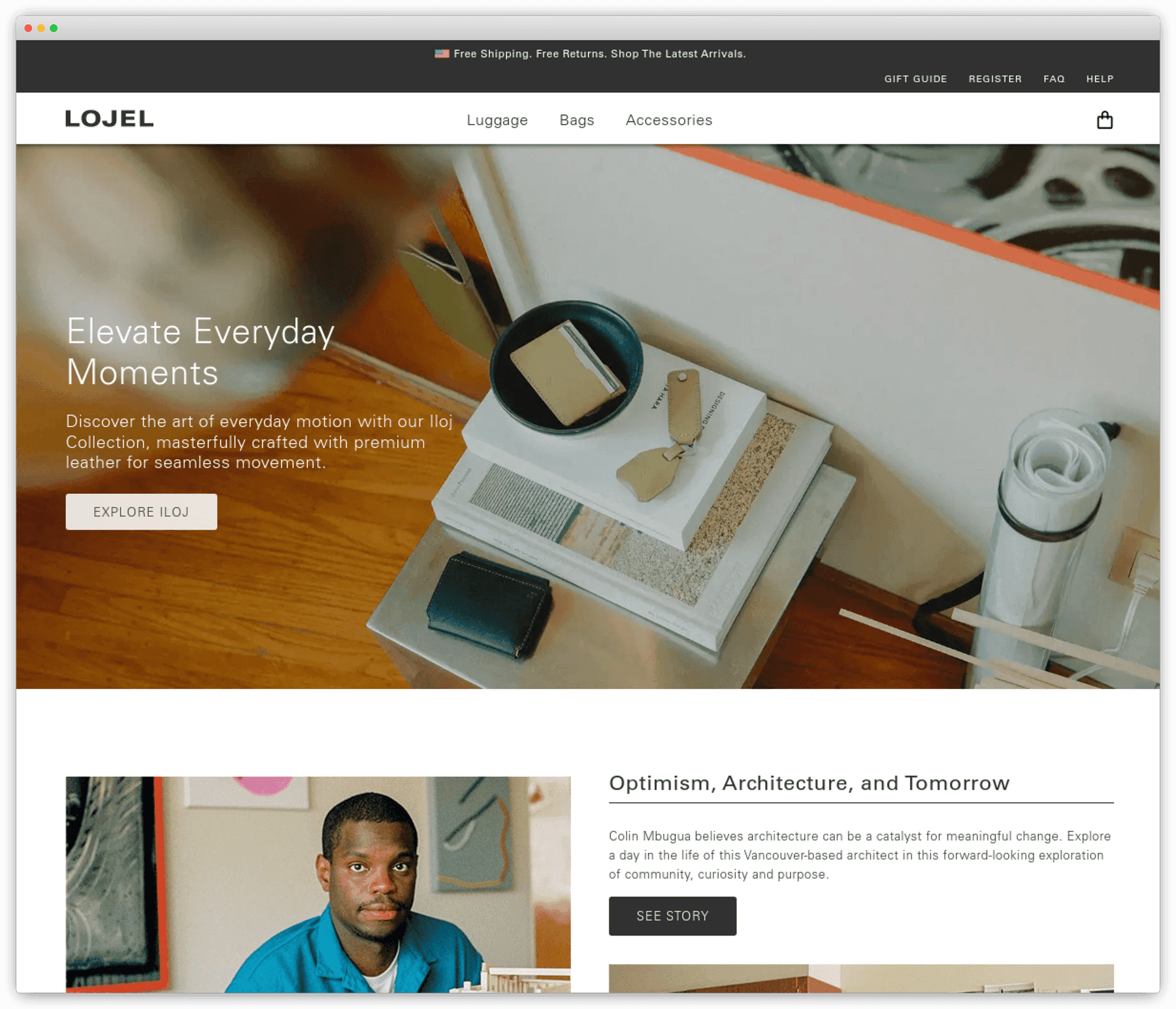
We partnered with LOJEL on marketing strategy and e-commerce direction through Assembly.
LOJEL was founded in Japan in 1989 and, when we worked together, was run by the founder’s grandson, with An Chieh Chiang as our day-to-day partner. They build carry essentials for travel and everyday life.
Operating problem: strategy and execution
LOJEL had strong product and taste. The gap was a clearer marketing opportunity and an execution plan the team could run, consistently.
Operating loop: positioning to conversion
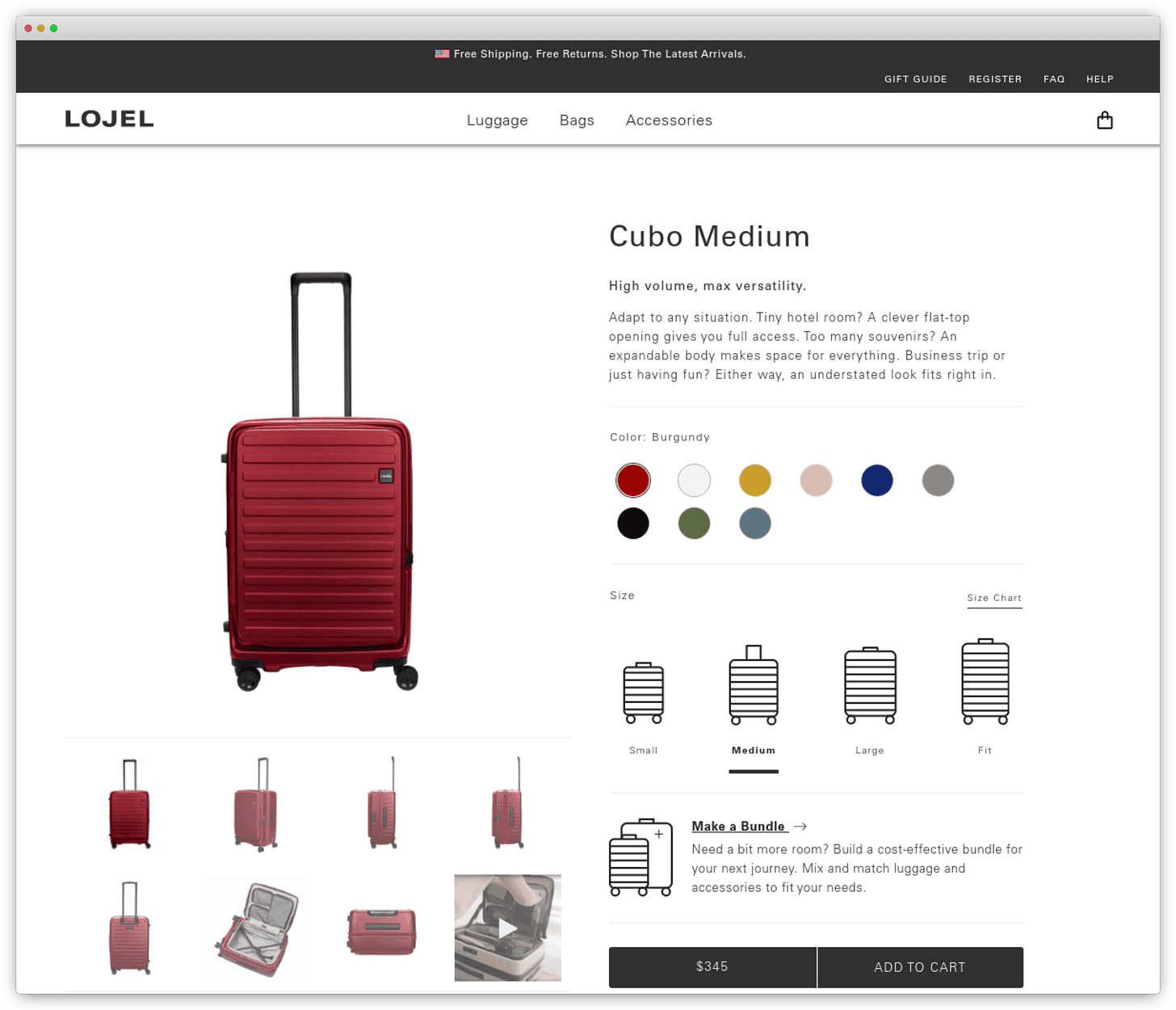
In this case, the loop drove focus (audience and positioning), proof (playbook and creative direction), and conversion (an e-commerce journey that matched the story).
What we built: playbook and e-commerce direction
- A marketing playbook that distilled the opportunity, framing, and execution inputs.
- A set of reusable narrative and creative constraints the team could carry into campaigns and site work.
- E-commerce direction that tied the strategy to real conversion moments.
What changed: The brand moved from “nice products” to a clearer story and a plan for how to show up, repeatedly, across marketing and the site.
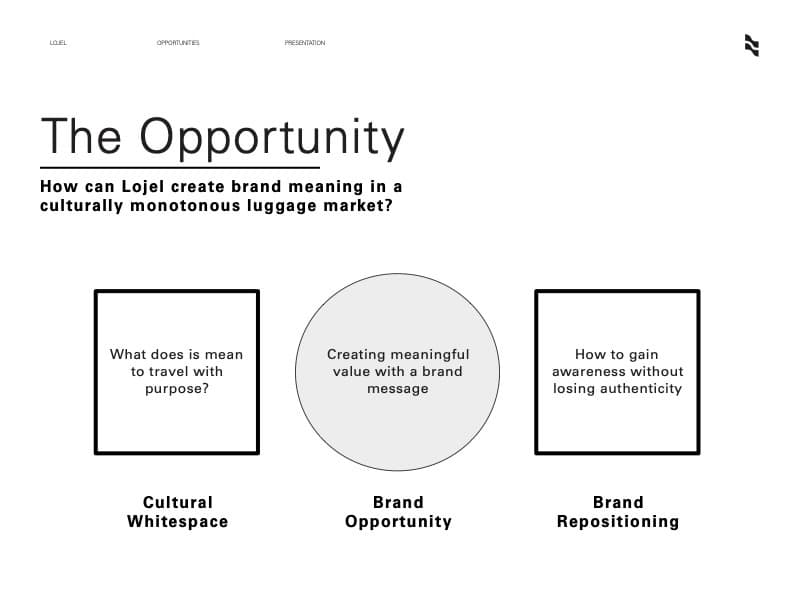
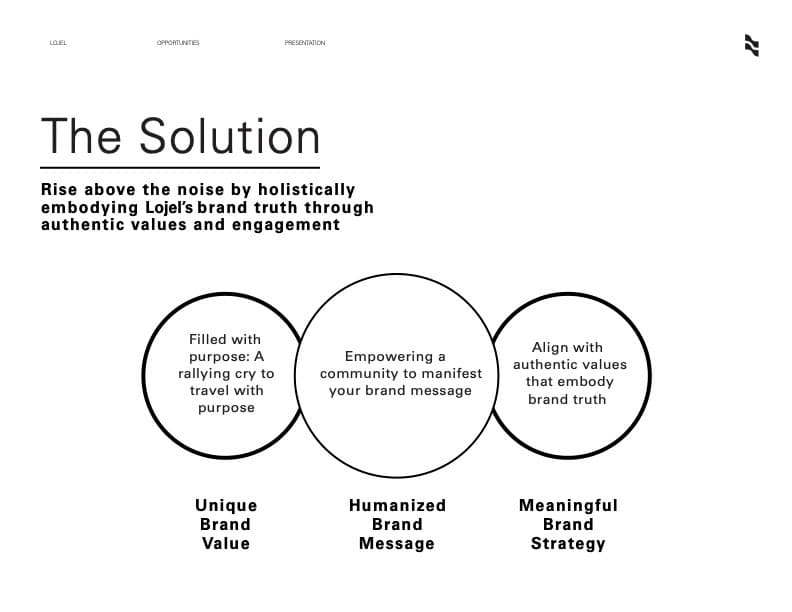
Selected slides: marketing playbook
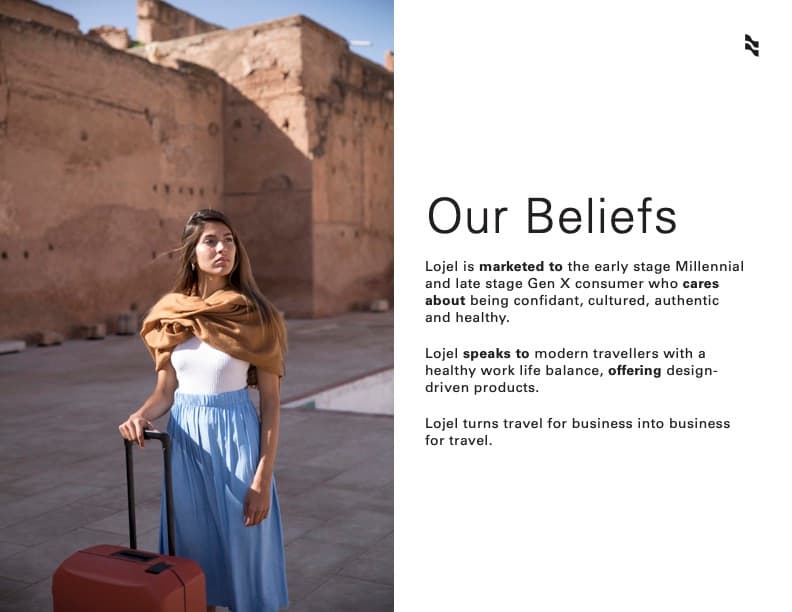
Selected slides from the final marketing playbook are below.
Results: strategy to conversion
These deliverables are documented in delivery artifacts and client review notes from this period. This page is the primary published record of this work.
- Delivered a marketing playbook that aligned the team on opportunity and execution inputs.
- Established reusable narrative constraints that made future marketing work more consistent.
- Connected strategy to a clearer e-commerce direction, so the story showed up at conversion moments.
FAQ
Questions this page answers
What did Assembly do for LOJEL?
We worked with LOJEL, the carry and luggage brand founded in Japan in 1989, on marketing strategy and e-commerce direction: a marketing playbook that set out the opportunity, the positioning and the execution inputs, and the direction for an online store that matched the story.
What was the opportunity?
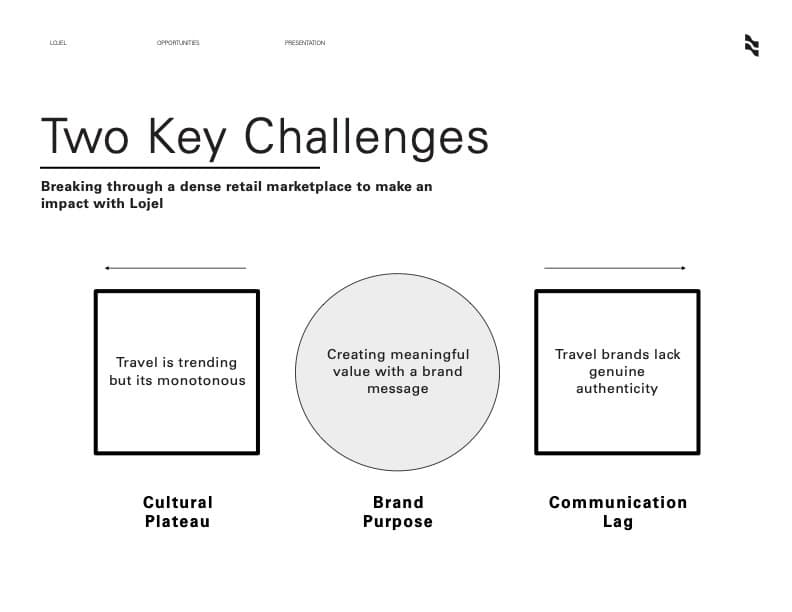
The playbook's question was how the brand could create meaning in a culturally monotonous luggage market. Travel was trending but the category was flat and travel brands lacked genuine authenticity: a cultural plateau and a communication lag, with brand purpose as the way through.
Who was the target customer?
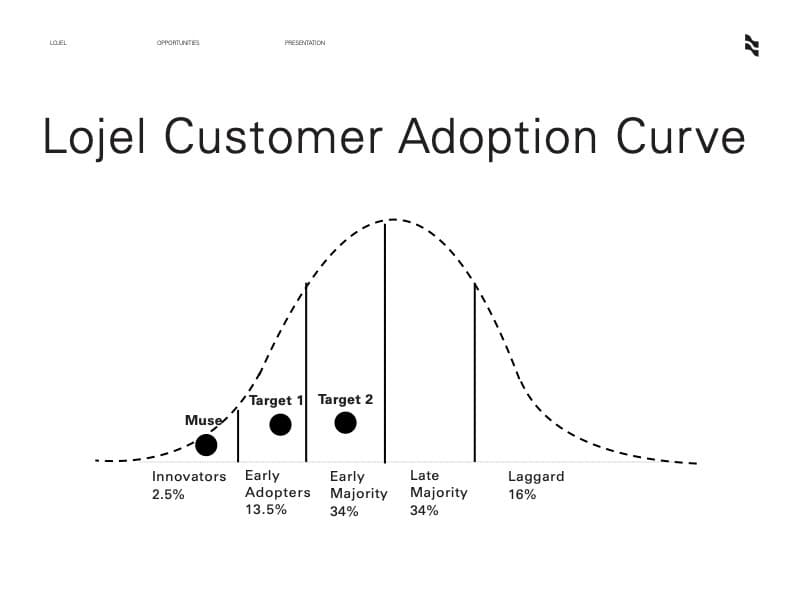
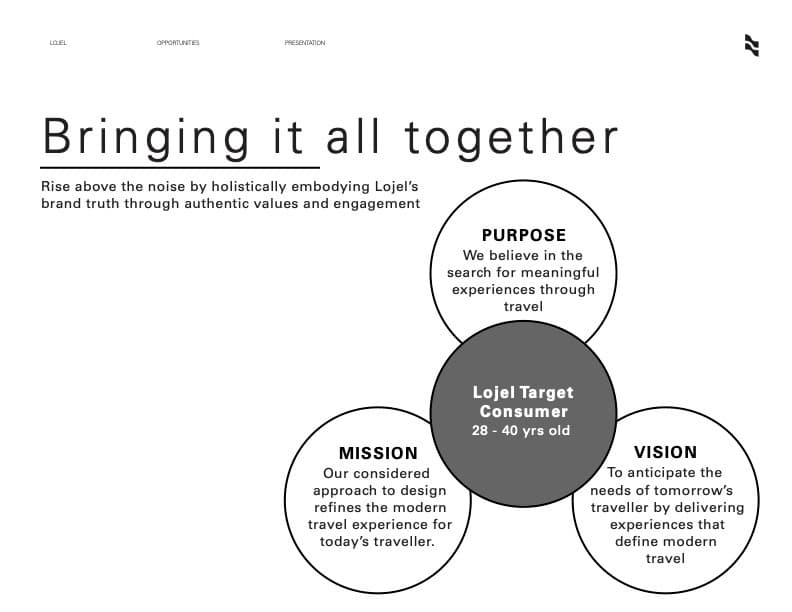
A 28 to 40 year old, early Millennial to late Gen X, who cares about being confident, cultured, authentic and healthy: modern travellers with a healthy work-life balance who want design-driven products. The adoption curve in the playbook put a muse among the innovators and two targets in the early adopters and the early majority.
What did the playbook give the team?
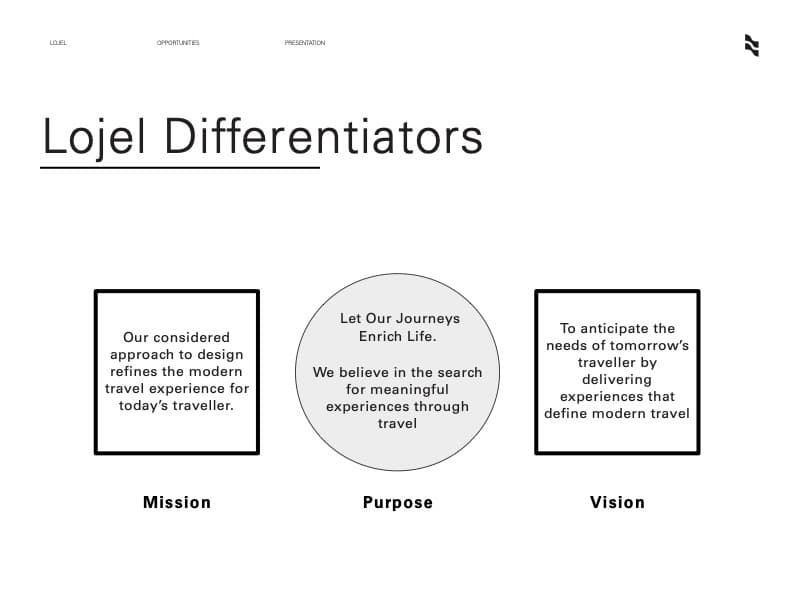
A mission, a purpose and a vision they could carry into campaigns and site work, and a set of reusable narrative and creative constraints, so the brand showed up the same way every time, including at the conversion moments on the store.
What results are documented?
This page documents the deliverables rather than performance numbers: the playbook, the narrative constraints and the e-commerce direction.