
Positioning & Brand
How I led Blaxel's rebrand direction and translated its infrastructure story into published product writing and LinkedIn creative for technical buyers.
Timeframe
Joined June 2026
Company
Blaxel
Role
Head of Growth & Marketing
Read time
3 min
Read with...
- 01Chose and led the rebrand direction to strengthen enterprise credibility
- 02Wrote product positioning that connected compute performance to the broader infrastructure decision
- 03Created LinkedIn assets explaining the platform, the agent's computer and sandbox continuity
Explain the infrastructure through the work
I chose and led Blaxel's rebrand direction to strengthen enterprise credibility and support larger deals. Alongside that work, I wrote product-positioning articles and created paid assets that made the product easier to understand.
The story needed to connect the infrastructure to something a buyer could picture. An agent runs a command, changes a file, waits, then comes back to the task. Compute, storage and networking matter because of what happens at each of those steps.
That gave the writing and creative a concrete subject: what an agent needs to do useful work, and what the team building it would otherwise need to operate.
Put the brand direction into a shared reference
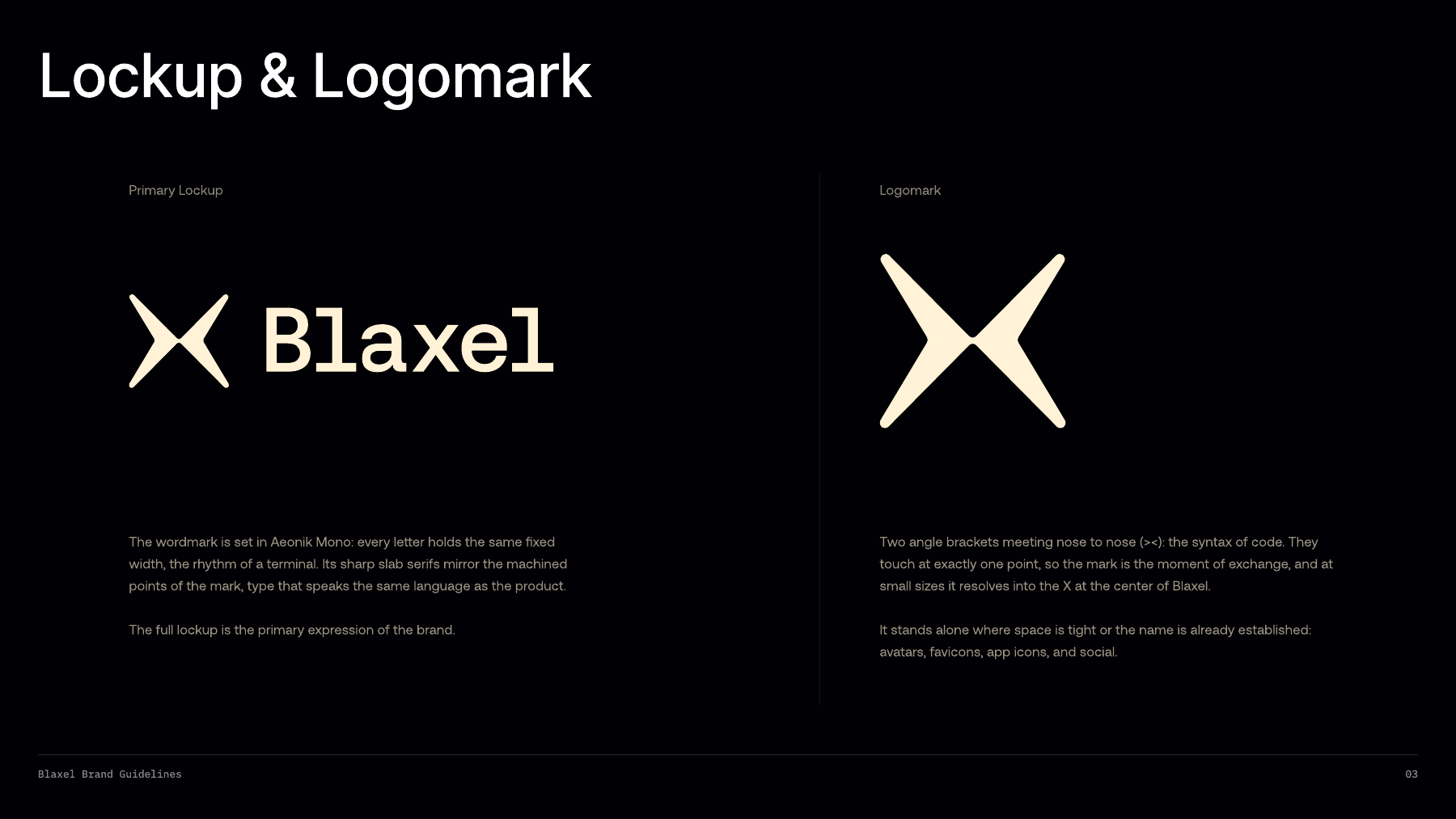
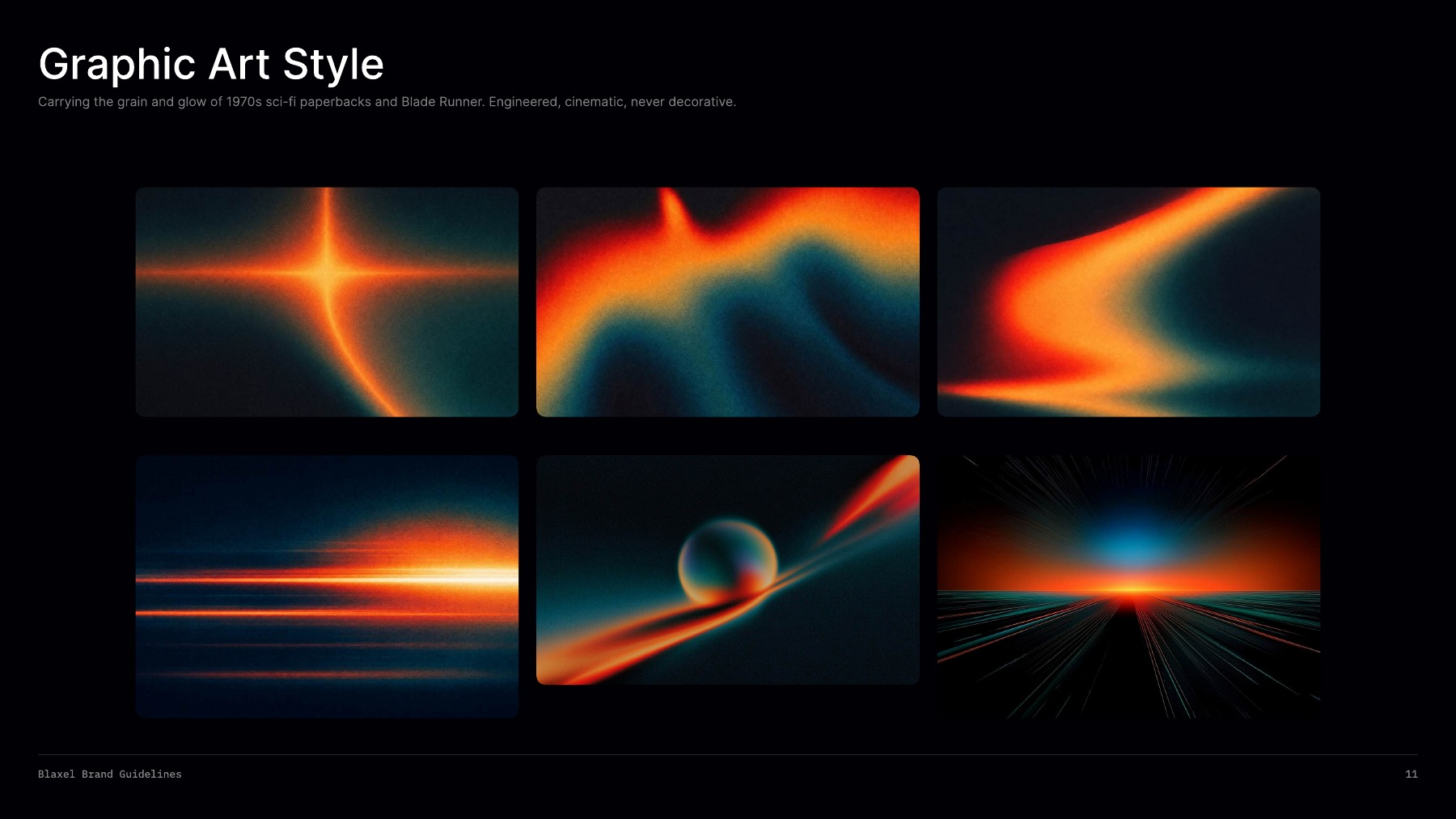
The brand book brought the direction together in a wordmark, type system, palette and rules for graphic art and technical illustrations. These pages show the identity and visual language from that work.
Broaden the evaluation beyond a benchmark
In Choosing a sandbox is choosing your agent infrastructure, I used a compute benchmark as the starting point for a broader product argument.
The article asked readers to consider the whole working environment: whether earlier work remained available, how the agent reached services, and how much infrastructure the team had to manage. The benchmark supported a specific performance claim. The positioning connected that claim to the larger decision a technical buyer was making.
It was a short piece, but it carried the same distinction the customer stories made in more detail: a sandbox is one part of the infrastructure behind a working agent.
Carry the product story into paid creative
I made three company creatives for LinkedIn, each explaining a different layer of the product story.
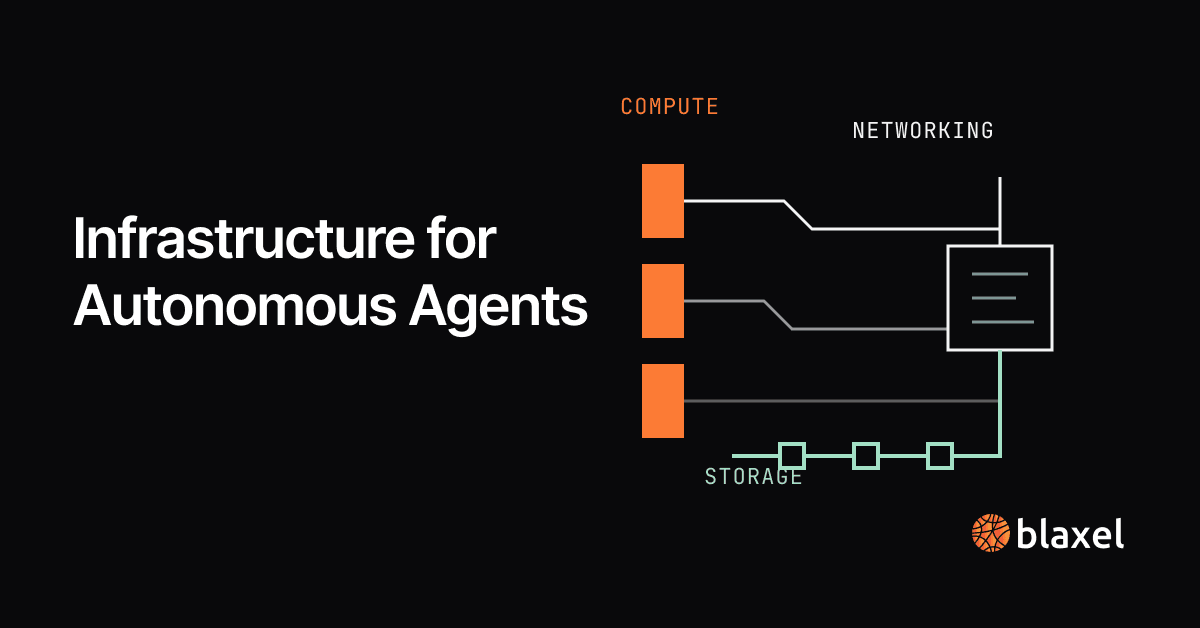
The infrastructure creative put compute, storage and networking into one picture. It established the scope of the platform.

The computer creative translated that scope into familiar working parts: files, processes, logs and a preview. It gave a developer a way to picture what the agent could use.
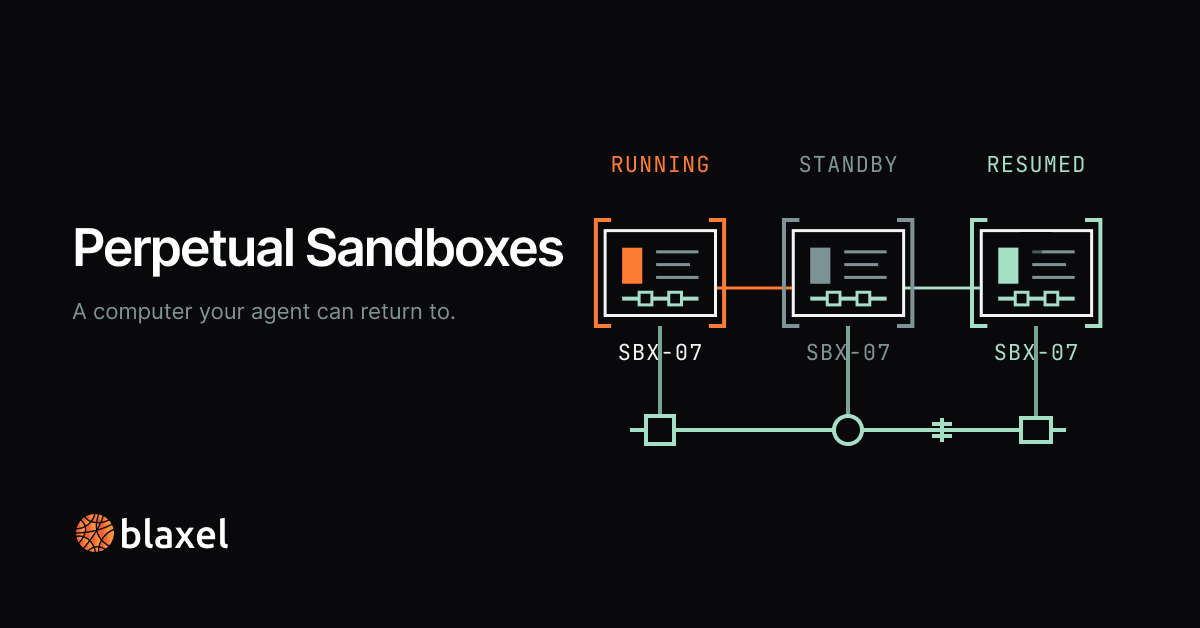
The sandbox creative focused on continuity. Showing the same environment running, waiting and resuming made the product behaviour the subject of the ad.
These are examples of the messaging and creative work. The paid-growth results describe the broader program, not the measured performance of these individual assets.
The customer stories and cookbooks gave that audience more detail: the customer's architecture and a working example to inspect.
FAQ
Questions this page answers
01What was Michael Preuss's role in Blaxel's brand work?
I chose and led Blaxel's rebrand direction to strengthen enterprise credibility and support larger deals. I also wrote product-positioning articles and created paid assets that explained the infrastructure through the work an agent does.
02How did Michael Preuss explain Blaxel's positioning?
I explained Blaxel through the compute, storage and networking behind an agent's work. My published article, Choosing a sandbox is choosing your agent infrastructure, connected a compute benchmark to the broader questions of retained work, access to services and the infrastructure a team would otherwise operate.
03What do the Blaxel creative samples show?
The Blaxel LinkedIn samples explain three layers of the product story: the infrastructure platform, the agent's computer and a sandbox that can resume its work. They are examples of my messaging and creative work; the broader paid-program results are not attributed to these individual ads.